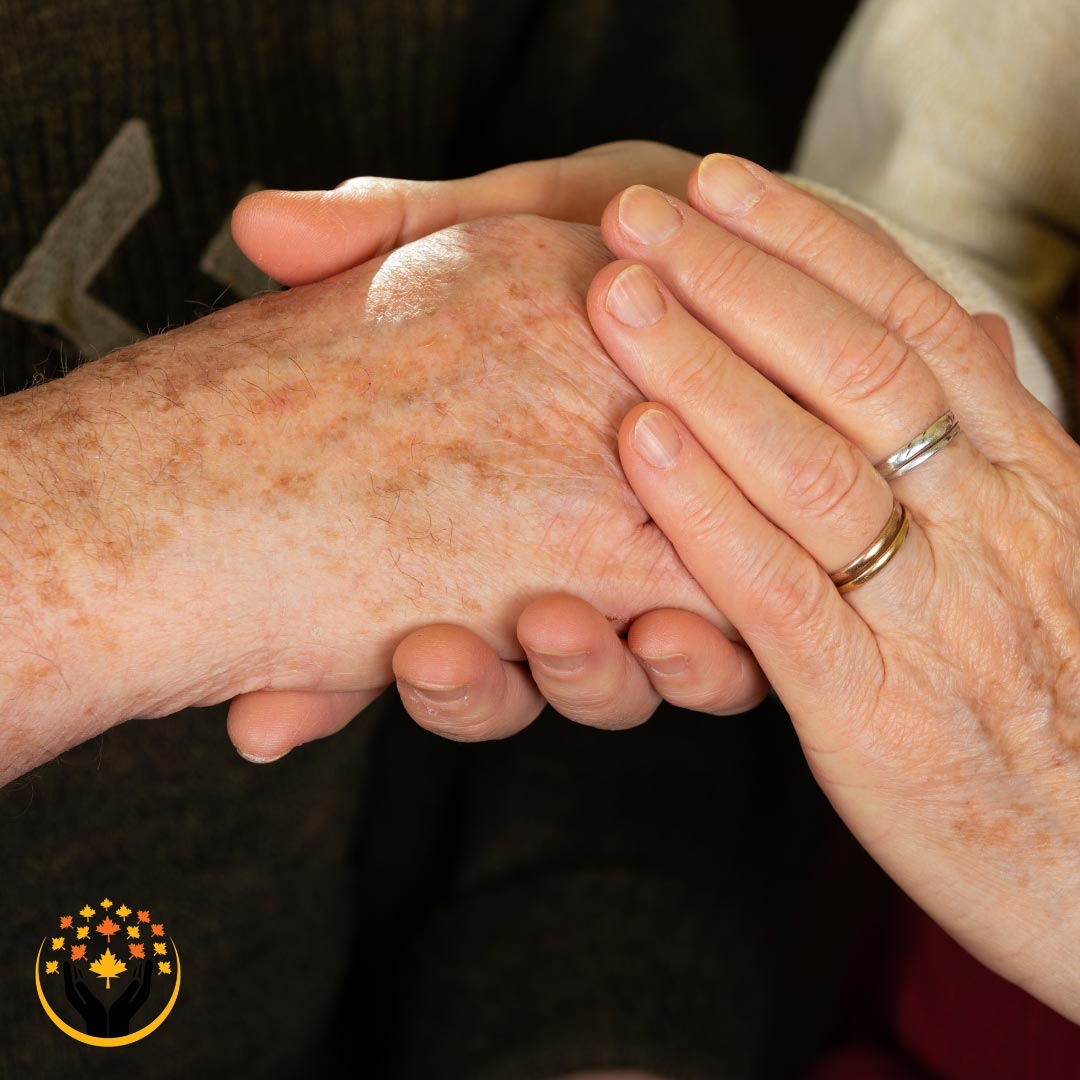
When someone we love dies, the world tilts. Grief arrives in waves, decisions blur, and yet within days, families are often handed a stack of unfamiliar paperwork and a single, unfamiliar word: probate.
This guide is for the people doing their best in difficult moments. It is for executors stepping into the role for the first time, for adult children supporting an elderly parent through the loss of a partner, and for anyone who wants to understand probate in England before it becomes urgent.
We are publishing this in the run-up to Mental Health Awareness Week (Monday 11 to Sunday 17 May 2026), whose theme this year is Action. Bereavement is one of the most demanding mental health pressures a family can face, and taking small, well-informed actions early often eases the emotional load when it matters most. So let us walk through it together.
What is probate in England?
Probate is the legal authority to manage someone’s estate after they die. The estate includes everything they owned, such as property, savings, investments, and personal possessions, alongside any debts they left behind.
In England and Wales, the document granting that authority is called a Grant of Probate when the deceased left a valid will. If there is no will, the equivalent document is called Letters of Administration. Together, these are known as a “grant of representation”.
A quick note on jurisdiction: probate in England follows the law of England and Wales. Scotland (where the process is called confirmation) and Northern Ireland have their own separate systems. Everything below applies to England.
When do you need a grant of probate?
You will usually need a grant of probate if the estate includes:
- A property or piece of land held in the deceased’s sole name
- Savings, investments, or shares above the threshold set by each bank or building society (commonly £5,000 to £50,000, depending on the institution)
- Assets held with insurance companies or pension providers that require proof of authority before releasing funds
You will not normally need probate if the entire estate was held jointly with a surviving spouse or partner and passes automatically by survivorship, or if all assets fall below each institution’s threshold.
If you are unsure, contact each provider directly. They will confirm in writing whether a grant is required.
How to apply for probate: the steps in plain English
Applying for probate in England is more straightforward than many people fear. The path looks like this.
Step 1: Register the death and gather your paperwork. You will need the death certificate, the original will (if there is one), and a clear picture of the estate’s assets and debts.
Step 2: Value the estate. Add up the value of everything the deceased owned at the date of death. This figure determines whether inheritance tax is payable and which HMRC forms you will need.
Step 3: Submit the inheritance tax forms. Even if no tax is due, HMRC requires either a simplified return or the full IHT400 before probate can be granted.
Step 4: Apply for the grant. You can apply online via
gov.uk, or by post using Form PA1P (where there is a will) or Form PA1A (where there is no will). The current application fee is £300 for estates valued above £5,000, with no fee for estates at or below that threshold. Additional certified copies of the grant cost £16 each, and most executors order several so banks and the Land Registry can be approached in parallel.
Step 5: Administer the estate. Once the grant arrives, typically within several weeks, you can collect assets, settle debts, and distribute what remains to the beneficiaries.
If the £300 fee is a barrier, the Help with Fees scheme (Form EX160) can reduce or waive it for families on lower incomes or certain benefits.
Probate without a will in England: Letters of Administration
If your loved one died without a valid will, this is known as dying intestate. The estate is then distributed according to the rules of intestacy, set out in the Administration of Estates Act 1925.
In short, the law, not the family, decides who inherits, in a strict order beginning with spouses and children. Unmarried partners receive nothing automatically, even after decades together. Stepchildren who were never legally adopted are also excluded.
In this situation, the closest eligible relative applies for Letters of Administration, which carry the same authority as a Grant of Probate. The process mirrors the steps above, the form is PA1A, and the £300 fee applies in the same way. The administrator’s responsibilities are also the same.
This is one of the most compelling reasons we encourage every adult, at every stage of life, to have a valid, up-to-date will.
What is expected of executors?
If you have been named an executor, you carry both legal and emotional weight. Your duties include:
- Identifying and valuing all assets and liabilities
- Settling any debts and tax owed by the estate
- Applying for the grant of probate
- Distributing the estate in line with the will
- Keeping accurate records throughout the process
You do not have to do this alone. You can share the role with a co-executor, renounce it formally if it feels too much, or instruct a solicitor or estate administration specialist to take on the heavy lifting. Many families choose a hybrid approach, staying involved in decisions while letting professionals handle the paperwork.
For adult children supporting elderly parents
If you are helping an elderly parent prepare, gentle, early conversations are a kindness, not an intrusion. A few practical actions today make a profound difference tomorrow:
- Confirm there is a valid, up-to-date will in place
- Identify named executors and check they are willing to act
- Make a simple list of accounts, providers, and key documents
- Discuss Lasting Powers of Attorney for both finance and health
- Share the location of important paperwork with someone trusted
These quiet acts of preparation are exactly the kind of small, meaningful action the Mental Health Foundation is asking us to take this May. They protect families from avoidable stress at the very moment grief is heaviest.
Take a small action today
Probate in England is not designed to defeat you. It is a process, and processes can be managed, especially with the right support beside you.
If you are navigating bereavement now, preparing ahead, or supporting an elderly parent who needs reassurance and clarity, Maple Wills is here to help. Our caring, experienced team will walk with you through every step, in plain English, at your pace, with no jargon and no judgement.
This Mental Health Awareness Week, take one calm, confident action for the people you love.